

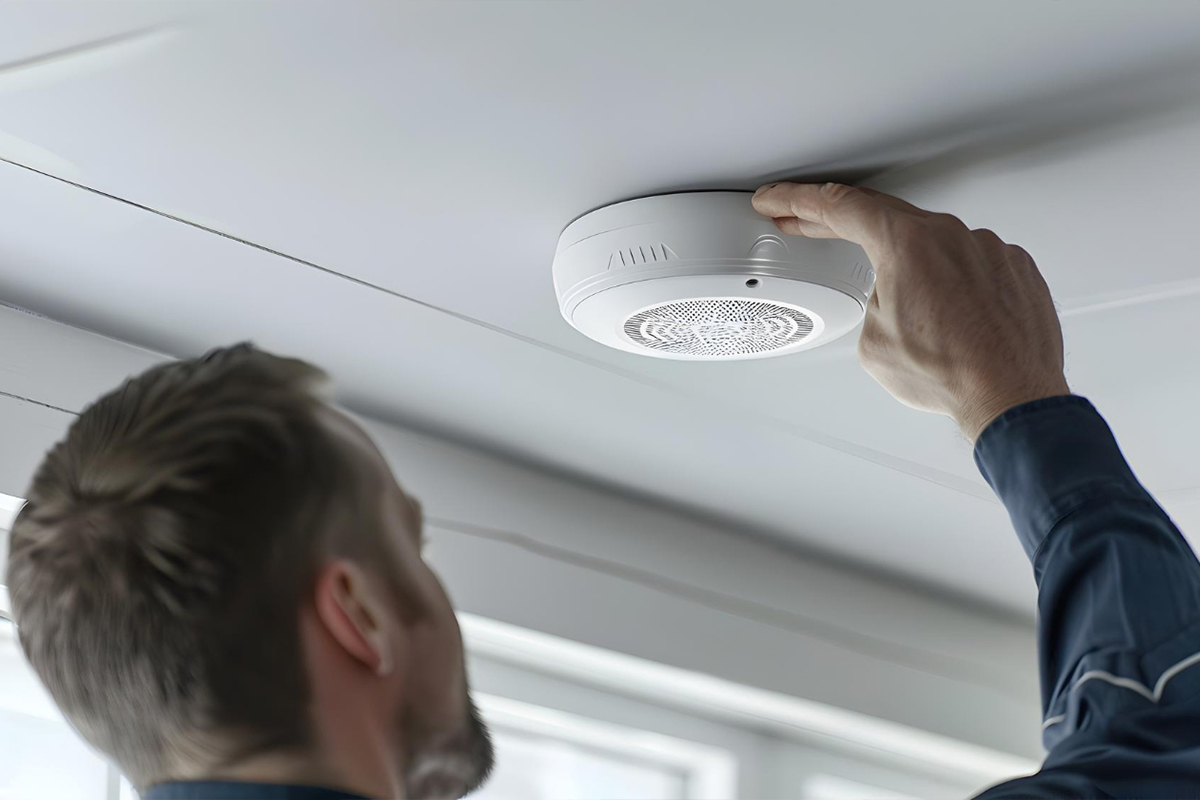
Smoke alarms are one of the simplest and most effective safety devices in any home, yet many households in NSW still don’t meet current requirements. With updated smoke alarm expectations continuing into 2026, it’s essential for homeowners, landlords and tenants to understand what’s required and how to stay compliant. The goal isn’t only to meet legislation—it’s to protect lives. A properly installed and maintained smoke alarm offers critical early warning during a fire, giving people vital seconds to escape.
NSW legislation outlines clear rules about the type, placement and maintenance of smoke alarms, particularly in rental properties, multi-storey homes and older buildings. Understanding these requirements helps prevent fines and ensures every property maintains a safe standard of protection.
Quick NSW Smoke Alarm Checklist (2026)
To meet NSW smoke alarm requirements in 2026, every property should meet the following checklist:
- Smoke alarms are installed on every level of the property
- All smoke alarms compliant with Australian Standard AS 3786
- Alarms installed near bedrooms and in hallways
- Smoke alarms tested at least monthly
- Smoke alarms replaced every 10 years
- Smoke alarms maintained by the landlord (for rental properties)
If any of these points are missed, the property may be non-compliant and unsafe during a fire emergency. This checklist helps homeowners and landlords quickly assess whether their smoke alarms meet current NSW expectations.
What are the smoke alarm requirements in NSW for 2026?
NSW requires all homes, including rental properties and relocatable dwellings, to have working, compliant smoke alarms installed on every storey.
Smoke alarm requirements in NSW state that every home, rental property and moveable dwelling must have at least one functioning smoke alarm installed on each level of the property. These alarms must meet Australian Standard AS 3786 and be correctly positioned near bedrooms and in hallways. From 2026, compliance checks remain strict, with landlords required to maintain alarms and ensure tenants report faults. The goal is to create consistent, reliable fire protection across all NSW households.
Where must smoke alarms be installed in NSW homes?
Smoke alarms must be placed on each storey, ideally between bedrooms and living areas.
NSW legislation requires smoke alarms to be located on every level of the home, including split levels, garages and converted lofts. The recommended position is between sleeping areas and the rest of the home, ensuring people are alerted early during a fire. In multi-storey homes, alarms should be placed near stairways and hallways to capture rising smoke. Correct placement is essential because poorly positioned alarms may delay warnings and reduce escape time in an emergency.
Smoke Alarm Requirements for Rental Properties (NSW)
Rental properties in NSW have specific smoke alarm obligations designed to protect tenants and ensure consistent safety standards.
Landlord Responsibilities
- Install compliant smoke alarms before a tenancy begins
- Ensure alarms are working at the start of each lease
- Replace expired or faulty smoke alarms
- Respond promptly when tenants report smoke alarm issues
Tenant Responsibilities
- Not remove or damage smoke alarms
- Notify the landlord if an alarm is not working
- Replace batteries if required (unless hardwired or sealed unit)
Before Tenancy Checklist
- All smoke alarms tested and functioning
- Correct placement on every storey
- Alarms compliant with AS 3786
- No expired or painted-over units
Failure to meet these requirements can expose landlords to penalties and liability under NSW tenancy laws.o penalties and liability under NSW tenancy laws.
Penalties for Non-Compliance in NSW
Failing to comply with NSW smoke alarm requirements can have serious consequences.
- Fines and penalties may apply for non-compliant properties
- Insurance claims may be rejected if alarms were not maintained
- Legal liability increases for landlords if injury or loss occurs
- Higher risk of injury, fatalities and property damage
Compliance is not just a legal obligation—it is a critical safety responsibility. Regular checks and professional inspections help prevent costly and dangerous outcomes.
Are landlords legally responsible for smoke alarms in NSW?
Yes, landlords are responsible for installing and maintaining smoke alarms in rental properties.
Landlords in NSW must ensure all smoke alarms are installed, tested and maintained before a tenancy begins and throughout the lease. This includes replacing expired alarms, ensuring batteries work and responding promptly when tenants report faults. Tenants have obligations too, such as not removing alarms and notifying the landlord if an alarm stops functioning. The law places responsibility on owners because proper maintenance directly affects safety and compliance under NSW tenancy legislation.
Do smoke alarms need to be interconnected in NSW?
Interconnection is recommended for most homes and mandatory in certain dwelling types.
While interconnected smoke alarms are not yet mandatory in every NSW residence, they are strongly recommended, particularly in multi-level homes or properties with several bedrooms. Interconnected alarms trigger simultaneously, allowing people to hear alerts no matter where the fire starts. Some dwelling types, such as new builds or major renovations, may require interconnection under the Building Code of Australia. Installing interconnected alarms significantly increases safety by ensuring quicker, more widespread warning during a fire event.
Smoke Alarm Laws NSW vs Other States
Smoke alarm laws vary across Australia, but NSW places strong emphasis on placement, maintenance and landlord responsibility.
- NSW requires smoke alarms on every storey of a home
- Compliance with AS 3786 is mandatory
- Landlords have ongoing maintenance obligations
- Other states may differ in interconnection or battery requirements
Because requirements vary, property owners should always follow NSW-specific legislation rather than assuming national rules apply.
Do You Need an Electrician for Smoke Alarms?
In many situations, a licensed electrician is required to ensure smoke alarms are installed correctly and legally.
You typically need an electrician when:
- Installing or upgrading hardwired smoke alarms
- Installing interconnected smoke alarm systems
- Replacing non-compliant or incorrectly installed alarms
- Conducting smoke alarm compliance checks for rentals or businesses
Professional installation ensures correct placement, compliance with AS 3786 and reliable operation during an emergency—reducing risk and providing peace of mind.
What type of smoke alarm is required in NSW?
Homes must use smoke alarms that meet Australian Standard AS 3786.
NSW legislation requires all smoke alarms to comply with Australian Standard AS 3786. Many homeowners now choose photoelectric models because they respond faster to smouldering fires and produce fewer false alarms compared to older ionisation units. Battery types vary, with long-life lithium alarms becoming more common. Regardless of the specific model, compliance with AS 3786 ensures an alarm meets proven performance and safety criteria suitable for NSW households.
How often do smoke alarm batteries need to be changed?
Most smoke alarm batteries should be replaced annually unless the unit contains a sealed long-life battery.
Traditional 9-volt battery smoke alarms require a yearly battery replacement to remain effective. Many households choose to change them on the same date each year to avoid forgetting. Long-life photoelectric alarms, which contain sealed lithium batteries, can last up to 10 years without needing replacement. Regardless of battery type, NSW authorities recommend monthly testing and immediate replacement if an alarm fails to sound. Battery maintenance is a simple task that greatly improves fire readiness.
Why smoke alarm compliance matters for NSW households
Many fires start at night when-occupants are asleep, reducing the chance of noticing early signs such as smoke or heat. A working smoke alarm provides rapid detection, allowing occupants to respond quickly. Compliance isn’t just about meeting legal standards; it’s about preventing injuries, fatalities and property loss.
For landlords, non-compliance can lead to legal issues and potential liability. For homeowners, failure to maintain alarms may void insurance claims. Ensuring each alarm works properly is a straightforward way to safeguard your family and your home.
Common issues found during smoke alarm checks
Competitor research shows consistent problems across NSW homes:
- Alarms installed too close to bathrooms, causing steam-triggered false alerts
- Ionisation alarms still in use despite poor performance in smouldering fires
- Expired units older than 10 years
- Battery compartments corroded or empty
- Alarms painted over during renovations
- Units installed in dead-air spaces, reducing effectiveness
A professional electrician can identify faults quickly and ensure all alarms meet 2026 compliance standards.
Are hard-wired smoke alarms required in NSW?
Hard-wired alarms are required in newly built or significantly renovated homes.
In NSW, hard-wired smoke alarms are mandatory for newly built homes and properties undergoing substantial renovations. These alarms run on mains power with a backup battery, providing more reliable protection than standalone battery units. Older homes are not required to retrofit hard-wired alarms unless specified by council approvals, but doing so is still encouraged for improved safety. Electricians can retrofit homes where feasible, offering stronger, more dependable fire detection.
How often should smoke alarms be tested?
Smoke alarms should be tested monthly and replaced every 10 years.
Authorities recommend testing each smoke alarm at least once a month by pressing the test button to ensure the device sounds correctly. Every six months, alarms should be cleaned to remove dust that may affect sensitivity. All smoke alarms must be replaced every 10 years because internal sensors degrade over time. Regular testing ensures your alarms work when needed, while routine replacement guarantees they meet modern performance standards required in NSW.
Why choose Brian Brothers Electrical for smoke alarm compliance?
Brian Brothers Electrical provides reliable installation, testing and replacement services across Sydney—including upgrades to photoelectric and interconnected systems. Their team ensures each alarm complies with AS 3786, meets NSW legal standards and is placed in the most effective positions for early detection.
They also offer support for landlords, including scheduled maintenance and detailed compliance documentation. With Sydney’s changing smoke alarm requirements, having a knowledgeable electrician ensures complete safety and peace of mind.
Final Takeaway
Smoke alarm requirements in NSW continue to evolve, and staying updated is essential for protecting lives and meeting legal obligations. By ensuring alarms are correctly installed, properly maintained and compliant with AS 3786, households significantly reduce fire risks. Whether you own a home, manage a rental or oversee multiple properties, partnering with a qualified electrician such as Brian Brothers Electrical ensures you meet NSW’s 2026 standards with confidence.